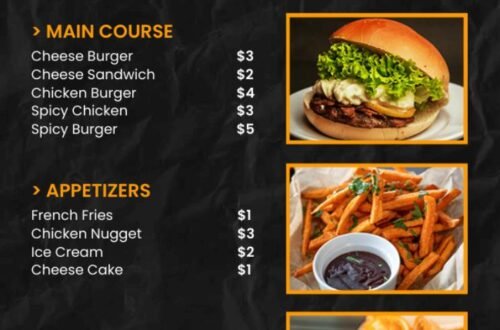
In recent years, fast food prices have been steadily increasing across many countries. What was once known as the cheapest and most convenient dining option is now becoming noticeably more expensive. While fast food is still more affordable than most restaurants, many customers are surprised by how much their favorite meals cost today.
One of the biggest reasons for rising fast food prices is inflation. The cost of basic ingredients such as meat, vegetables, cooking oil, and bread has increased significantly. Farmers, suppliers, and food processors all face higher expenses, and these costs move through the supply chain until they reach fast food restaurants. When companies have to pay more for ingredients, menu prices go up.
Labor costs are another major factor. Many countries have increased minimum wages, which is positive for workers but increases operating costs for restaurants. Fast food restaurants need cooks, cashiers, cleaners, and managers, and payroll makes up a large part of their budget. As wages rise, fast food prices must rise as well to keep businesses profitable.
Transportation also plays a key role. Fuel prices, shipping delays, and logistics challenges make it more expensive to deliver ingredients to restaurants. This is especially true for chains that rely on imported food items. These transportation costs are reflected in fast food prices.
Despite these challenges, fast food brands work hard to stay affordable. Many offer value meals, discounts, and loyalty programs to protect customers from rising fast food prices. Digital coupons and app-based deals are becoming more common, allowing customers to save money even when menu prices increase.
Looking ahead, fast food prices will likely continue to rise slowly, but competition between brands will help keep prices from becoming too high. Fast food remains one of the most budget-friendly ways to eat outside the home.